


by Renée Gotcher
When my mother decided to start homeschooling in 1988, I was just two years away from finishing high school. We had moved too far from my public high school for me to continue attending, so she included me in this sweeping decision, despite my initial resistance. From my questioning teenage perspective, the fact that she enrolled us in an independent school, which organized some activities to connect with other homeschooling families, was my saving grace. (Although most of these events were not local to us — homeschooling was unusual back then!)
Much has changed in our culture and public education system since those early days of modern homeschooling, especially in the post-COVID-19 pandemic years. Not surprisingly, the number of families homeschooling across the country has skyrocketed1, along with the number of options emerging to support these families.
However, one thing hasn’t changed, in my opinion: The value of enrolling in an independent school (also known as an umbrella school) for legal compliance with state homeschooling law.
Quick Links
Because homeschooling laws vary by state, your options for legally homeschooling also vary. In California, where I was homeschooled more than 30 years ago, the independent school option was available. Fortunately, the one my mother found was within (manageable) driving distance for my family to participate in the activities offered. Now, many states accept independent schools as a legal schooling option, and the variety and number of independent school offerings have also grown.
When my husband and I began homeschooling our three daughters in 2010, we had just moved to Castle Rock, Colorado, where we quickly discovered a growing community of Christian homeschooling families. Although I didn’t need an independent school to provide a connection with other local homeschoolers, I remembered the other reasons my mom had chosen that route for our family. For those same reasons, I explored independent school options in Colorado and selected one for our family.
What are those reasons? So glad you asked! Here are five reasons why I chose the independent school route, along with three key factors to consider when evaluating whether an independent school is a good fit for your family compared to other legal options in your state.
Five Reasons to Choose an Independent School
1. Legal Compliance & Privacy
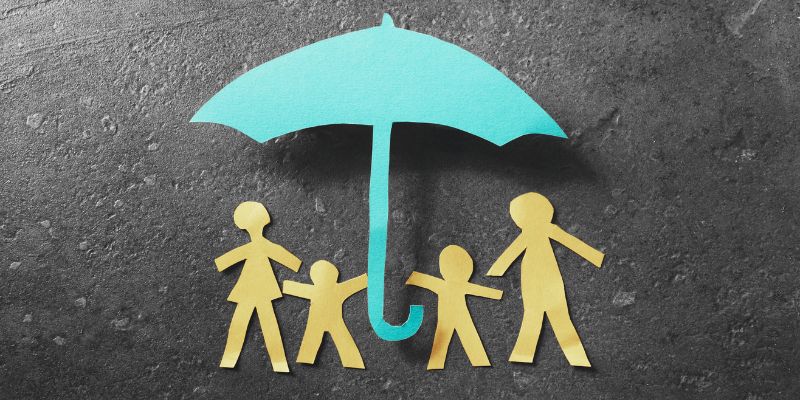
One of the most compelling reasons to consider an independent school route is to ensure you are always in compliance with your state’s homeschooling laws without having to understand all the legal jargon used in the law’s documentation. The independent school acts as a liaison between homeschooling families and educational authorities. Each school is responsible for following the state’s laws and establishing policies for its enrolled families to adhere to.
While complying with legal requirements, independent schools offer flexibility in creating your educational plans, allowing you to select the curriculum and teaching methods that best meet the needs of your children. As a parent and teacher, you are empowered to customize your child’s learning experience and manage requirements such as attendance, subject coverage, grading, etc.
Most importantly, all the records your independent school may require you to file to comply with their guidelines are kept private and confidential. When you enroll with an independent school, you’re not required to file ANY records or notices with school districts. For as long as you remain enrolled with that independent school, you report to that organization alone. Records kept by the independent school aren’t shared, and as long as you stay current with the school’s record-keeping requirements, you are legally homeschooling!
2. Administrative Support & Tools
Most independent schools assist parents with administrative tasks, such as tracking attendance, maintaining records, and issuing documents like ID cards, report cards, and diplomas, thereby alleviating this burden. This can be particularly valuable when your children reach high school, as your documentation will be sent to colleges and other institutions. Independent schools often provide tools such as transcript templates, college preparation guidelines, coursework planning assistance, and more.

Although independent school administrators provide guidance on necessary paperwork and ensure enrolled families comply with state laws, they are NOT responsible for compliance. Once you’re enrolled, you are covered as long as you follow the guidelines they’ve established.
Unfortunately, this is one reason parents often dismiss the independent school option if their state does not require it — it seems easier to do “less” if you can. Keep in mind that if you choose to take on that responsibility, it’s up to you to stay current with your state’s laws, which can change from year to year, and any paperwork you’re required to submit will go to your public school district, which gives them oversight over your compliance.
3. How-to Guidance & Resources
An independent school can be particularly beneficial for families new to homeschooling, providing an ideal partnership for getting started legally and staying the course. Many offer resources such as “how to start” guidebooks, curriculum options, educational guidance, and even in-person support for parents (such as informational meetings and seminars). This is especially helpful if you move to a new state while homeschooling, as it simplifies the transition process.
As the number of independent school options has increased, the variety of services they provide has grown more diverse. You’ll want to consider how much guidance and support you need, whether an umbrella school with fewer “paperwork” requirements still offers the level of assistance you’re looking for, and ensure that your umbrella school of choice is following the non-public school law. If you’re a veteran homeschooler well-versed in the laws of your state, you might not need that additional support.
4. Local Activities & Events
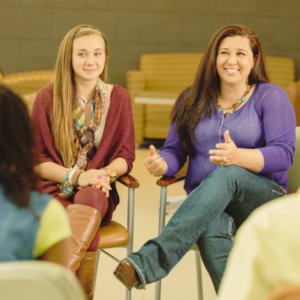
Whether you’re a new homeschooler or still considering it, I’m sure you’ve been questioned about socialization. Plugging into your local homeschool community through independent school offerings not only helps answer this question, but it can provide variety to your homeschooling experience through co-ops, field trips, clubs, and extracurricular activities. Many independent schools at the very least provide a list of existing local activities or co-ops for you to connect with, while others may also host local activities themselves.
As previously mentioned, having a partner to connect you with this vast network of support is especially helpful when you are new to homeschooling or have just moved to a new area. When we moved to Castle Rock, my primary goal was to find a way to connect with other local homeschooling families. A quick Google search might pull up local options, however, a resource list from your independent school is likely to provide vetted groups and programs that you can trust, as well as additional details to help you decide if they offer what you’re looking for.
5. Peace of Mind
Initially, I chose to enroll in an independent school for all the reasons I’ve mentioned so far. As a new homeschooling family in a new town, our independent school provided all the record-keeping assistance and resources I needed to get started for a reasonable cost with minimal requirements — none of which affected the rest of my homeschool decisions. Even though it’s possible to homeschool in our state without one, an independent school was an easy choice for us.
However, the reason we stayed with our independent school throughout our 14 years of homeschooling is the peace of mind it provided us. I was grateful to know that no matter what changed in our day-to-day homeschooling plans, I was always in compliance with our homeschooling laws, our records were kept private and secure, and I didn’t have to communicate with anyone but our independent school administrator. That peace of mind from year to year was priceless to me!
Three Factors to Consider
Although I’m clearly a fan of the independent school option, there are a few factors to consider when evaluating your options and deciding if an independent school is for you.
- Cost: Enrolling in an independent school comes at a price, and the cost can vary widely depending on the services provided, the number of children being homeschooled, and other factors. Paying tuition or fees to enroll in an independent school can seem unnecessary when you have a “free” option available to you. However, keep in mind that valuable services are being provided for you, and the time you could spend staying on top of legal requirements on your own may prove to be more costly.
- Varying Services: The services offered by independent schools can vary significantly. Some offer minimal support, while others provide extensive resources and activities. I think that variety is a benefit, because different seasons of your homeschooling journey may come with different needs. Remember that you can always change the school you are enrolled with if it no longer meets your needs or you have discovered one that is a better fit for your situation. You are still in charge of every homeschooling decision, including whether you want to re-enroll each year.
- Parents Remain Responsible: It’s essential to understand that independent schools, for the most part, do not offer full-time instruction, a comprehensive curriculum, or legal support beyond covering your bases as a registered family. You are responsible for the educational decisions and implementation of your homeschool, and you’re responsible for staying compliant with the requirements and records requested by your independent school. If you’re looking for more instructional support, then a hybrid school might be a better fit for you.
Thanks to our independent school’s resources, we became active in several different communities and programs that met the educational and social needs of our daughters. Submitting paperwork to our independent school was straightforward and simple, and I always had access to additional record-keeping resources that I needed once my girls reached high school age.
Most importantly, we always felt supported, encouraged, and protected by our independent school. Even with all that’s changed over our years of homeschooling, I would still choose an independent school if I was starting over today.
Dive Deeper into This Topic
- If you’re a Colorado family preparing to homeschool, start here.
- If you’re already homeschooling but want to learn more about Colorado laws, start here.
- Learn more about the CHEC Independent School, which provides families with security, privacy, flexibility, and perks for Colorado homeschoolers!
- Not located in Colorado? Visit HSLDA.org to find links to homeschool support in your state.
- Listen to the Podcast: The Unplanned Transition – Michelle Moss Shares Her Story. Michelle candidly recounts the various challenges she faced as an unexpected homeschooler and shares how a supportive community, along with timely guidance from other seasoned homeschoolers and organizations like CHEC, played a crucial role in easing their transition.
P.S. Are you wondering how to comply with your state’s legal requirements with minimal effort? Did you know CHEC believes independent schools are such a great option, they created the CHEC Independent School to provide families with a secure, private option? If you have used an independent school, what benefits did you experience? If not, what questions do you have about their purpose? Share your questions and success stories in the comments below!
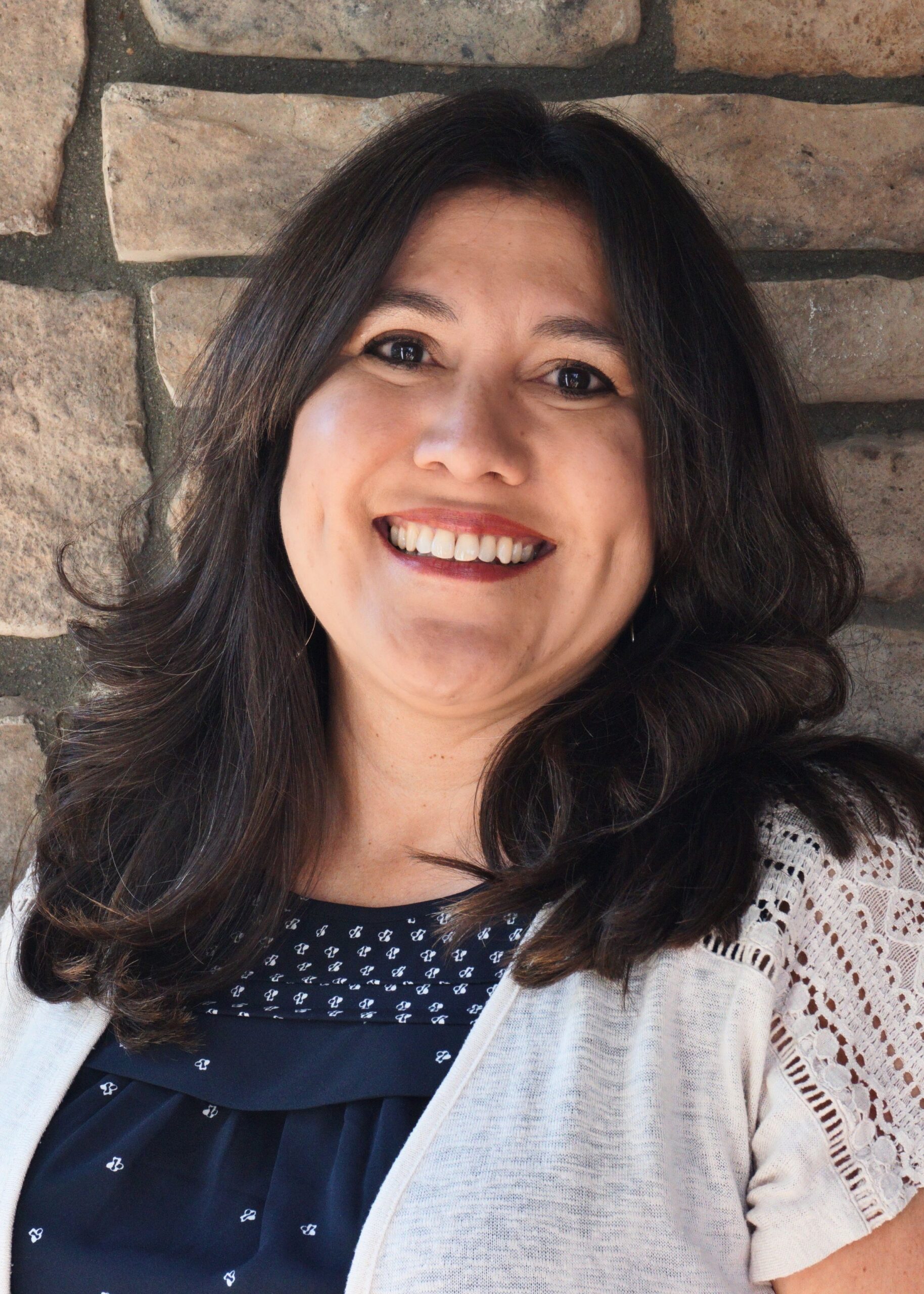
About the Author: Renée Gotcher
Renée Gotcher is the Communications Coordinator at CHEC, as well as a freelance writer, editor, and recently “retired” homeschooling mother of three daughters (two are also college graduates and the youngest attends BJU). Renée and her husband of 31 years, Kenny, are next-generation homeschoolers who were homeschooled in the late 1980s and began homeschooling in 2010. Soon after, Renée launched a homeschooling blog, NextGenHomeschool.com, and actively supported the local homeschool community through various leadership roles for 14 years. She recently contributed to Proverbs 31 Ministries’ Encouragement for Today devotional series and writes monthly devotionals for the Daybreak Devotions series on Crossmap.com and her personal blog, The Pace of Grace.
- https://nheri.org/research-facts-on-homeschooling/
↩︎
0 Comments