


by Renée Gotcher
Have you ever scrolled through an online homeschool group and seen that “emergency exit” post? It’s a common scenario: a panicked mom wants to pull her child out of school immediately, but has no clue where to start.
 In a quick scan on Facebook, I found quite a few cries for help, including these:
- I’ve decided to return to homeschooling my daughter after she was in a public high school for most of the school year. She was absolutely miserable. Has anyone done this while the school year is in session?
- Can anyone tell me how to start homeschooling my daughter, stat? I was already planning to pull her by December, but with all the recent threats, I’m ready now. I don’t want to worry about her all day long in public school. Where do I start?
- My middle schooler has been bullied to the point that he is no longer safe at school. We were trying to finish this school year; however, after more incidents, he no longer feels safe. I have no idea where to start!
Maybe you have a friend in this situation, or maybe one of these situations sounds like yours. The good news is that you don’t have to “stick it out” if you feel compelled to withdraw your student before the end of the school year. Whether you’re dealing with academic struggles, social issues, safety concerns, or a sudden move, you can start homeschooling anytime throughout the school year.
Although the process of pulling your child out of school may feel like a blur of legalities and logistics right now, don’t let that stop you from following your “Mama Bear” instinct. You can do it! We’ve created this quick-start guide to help you begin homeschooling smoothly and legally at any time during the school year.
Start Homeschooling Now: What is my first step?
Before you withdraw, you need to decide which of the three legal ways you want to homeschool in Colorado. If you happen to have a current Colorado teacher’s license, you can get started immediately without filing any paperwork because you are legally allowed to homeschool. (If your school district opposes this, give the CHEC office a call.)
However, it’s more likely that you don’t have this option and will need to follow Colorado’s Homeschool Law, which provides two additional legal options:
-
- You can file a notice of intent (NOI) with any school district (district office, not a specific school office) in the state of Colorado and follow the Home-based Education guidelines spelled out in the Colorado Homeschool Law (CRS22-33-104.5). This means you will also have to follow all the policies this option requires. CHEC has provided an easy-to-understand overview to help you evaluate this option, as well as an example of a notice of intent document.
- You can enroll in an independent (umbrella) school, receive your enrollment confirmation letter, and start homeschooling immediately. When you enroll in an independent school, make sure you follow the independent school policies. CHEC offers its own independent school option, the CHEC Independent School, which offers homeschooling families across the state security, privacy, and flexibility, as well as some great perks for enrolled families. However, there are other independent schools available in Colorado. Read this blog post for more information about the independent school option.
Start Homeschooling Now: How do I withdraw my child?
CHEC provides a simple, step-by-step guide to withdrawing your child from public school. The steps will vary depending on the path you have chosen to begin homeschooling legally.
 If you have decided to file a notice of intent, you will need to contact your child’s school and let them know you are withdrawing your child. Sending a withdrawal letter is highly recommended. Mail a certified letter (with a return receipt) to the principal or superintendent of the school your child attends. Keep it simple: You don’t have to explain your reasons or ask for “permission” to withdraw your child. Simply state that you are “formally withdrawing [Child’s Name] effective [Date],” and you have filed your NOI with the school district. You can also request records if the school has a transcript on file.
If the school asks you to fill out their paperwork for withdrawal, that is fine, but be sure to fill it out correctly. Indicate that you are homeschooling, and if they ask, state the district where you filed your NOI.
If you have enrolled in an independent school and have received your confirmation letter, contact your child’s public school and inform them that you have transferred to an independent/private school. Do NOT use the word “homeschool” because you are technically a private schooler under this option. As with the NOI option, a certified withdrawal letter is recommended. Include a copy of your enrollment confirmation. Additionally, if your independent school has requested any current records, send the request to the school with this letter.
As with the NOI option, if the school requests that you fill out their paperwork for withdrawal, just be sure to fill it out correctly. You should indicate that your child is now enrolled in [name of your independent school/private school] and, if requested, provide the phone number and mailing address of the independent school.
Start Homeschooling Now: My child is home, what’s next?
Congratulations, you are now in charge of your child’s educational experience and environment! Take a deep breath and embrace your newfound freedom and the flexibility to meet your child’s needs with more effective solutions.
You now have the freedom to:
- Choose a homeschool method that works best for your child
- Choose a curriculum that best supports the method you chose
- Create lesson plans that suit your child’s learning style
- Schedule your homeschool day around the rhythms of your family
- Get outside and spend time away from a desk (think field trips, park days, etc.)
However, facing so many decisions at once can feel overwhelming! Give yourself some grace — helping your child make the transition from a classroom to one-on-one teaching isn’t going to fall into place overnight. Creating a homeschool routine and rhythm is often a process of trial and error. The good news is that you are free to make necessary adjustments along the way whenever you recognize the need for a course correction.
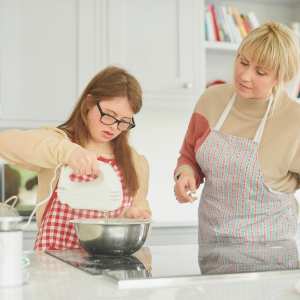 If you started homeschooling to remove your child from toxic environments, consider taking an approach known as a “deschooling” period, which is focused on rest, recalibration, and breaking free of rigid academic structures. Instead, focus on self-directed activity, play, and rest so your child can rediscover their curiosity and reconnect with you.
In fact, deschooling can be beneficial anytime you begin to homeschool unexpectedly, no matter the reason. Your child might be excited, resistant, or simply unsure about this change. Don’t be in a hurry to replicate “school” on your kitchen table or impose too much structure in your daily schedule. Spend quality time together, and choose activities that align with your child’s interests (and likely have an educational component).
Start with this list of ideas to help your transition go more smoothly:
- Slow down: Don’t try to create a rigid schedule. Allow for sleeping in and relaxing breaks during the day.
- Reconnect: Focus on strengthening your relationship with your child, especially if the school experience was negative.
- Focus on interests: Allow your child to explore hobbies, play games, read for pleasure, and anything that builds a curiosity mindset (vs. compliance).
- Build life skills: Cook together, build, garden, and engage in daily, real-life tasks.
- Get outdoors: Make time for nature walks, hiking, meeting homeschooling friends at the park, and unstructured outdoor play.
- Think outside the box: Watch documentaries, go to the library, and visit museums without treating it like a homework assignment.
 Deschooling for a short period of time can refresh your child and give you time to plan more structured learning and choose a curriculum to use later. Many of your “deschooling” activities can become part of your homeschool routine even after you add curriculum and maybe even a co-op to your schedule.
Once you get to that stage, know that there are ample resources and support for you to continue homeschooling with confidence — especially in Colorado! Homeschool groups abound, homeschool events take place on a regular basis, and online resources are available at your fingertips. CHEC.org’s How to Homeschool section and the CHEC Blog are great places to start when you have questions about curriculum, schedules, testing, and more.
Start Homeschooling Now: Because you can and you care!
Remember that although the decision to homeschool may be unexpected, it is an act of love. You are following your God-given parental instincts, and He will be with you and guide you one step at a time when you ask Him to lead you.
Trust in the LORD with all your heart, and do not lean on your own understanding. In all your ways acknowledge him, and he will make straight your paths (Proverbs 3:5-6 ESV).
Don’t forget that you do NOT have to homeschool alone: resources, support, and community abound! Get plugged in with other homeschoolers at your church or through local groups. You can find a list of Colorado homeschool groups and upcoming community events in CHEC.org’s Community section. And you can speak to a real, local CHEC staff member Monday through Friday (10am to 5pm) when you call the office at 720-842-4852, or toll-free at 877.842.CHEC (2432).
Dive Deeper With These Additional Resources
- Listen to the podcast “The Unplanned Transition” on the Colorado Homeschool Podcast, where Michelle Moss, a dedicated mother of three teenage boys, discusses her unexpected journey into homeschooling.
- Read the blog post “School at Home is Different” if you are transitioning a unique learner out of traditional school.
- Visit CHEC.org’s Recommended Homeschool Resources page for a CHEC-recommended guide to curriculum, service providers, high school guidance, discipleship resources, online courses, and more.
- Visit HSLDA.org for more FAQs and legal support for homeschoolers nationwide.
Are you feeling the tug to start homeschooling now instead of waiting for the new school year? What questions do you have? If you’ve started homeschooling midyear, what advice can you share with moms who are considering this proposition? Share your thoughts in the comments!

About the Author: Renée Gotcher
Renée Gotcher is the Communications Coordinator at CHEC, as well as a freelance writer, editor, and recently “retired” homeschooling mother of three daughters (two are also college graduates and the youngest attends BJU). Renée and her husband of 31 years, Kenny, are next-generation homeschoolers who were homeschooled in the late 1980s and began homeschooling in 2010. Soon after, Renée launched a homeschooling blog, NextGenHomeschool.com, and actively supported the local homeschool community through various leadership roles for 14 years. She recently contributed to Proverbs 31 Ministries’ Encouragement for Today devotional series and writes monthly devotionals for the Daybreak Devotions series on Crossmap.com and her personal blog, The Pace of Grace.
0 Comments